






Q1: Vendors promise "precision turning" but deliver parts with sneaky micro-cracks from heat stress—how's a better lathe setup dodging that trap?
A: Heat's the silent killer in turning, building up, and cracking surfaces if coolant slacks off.
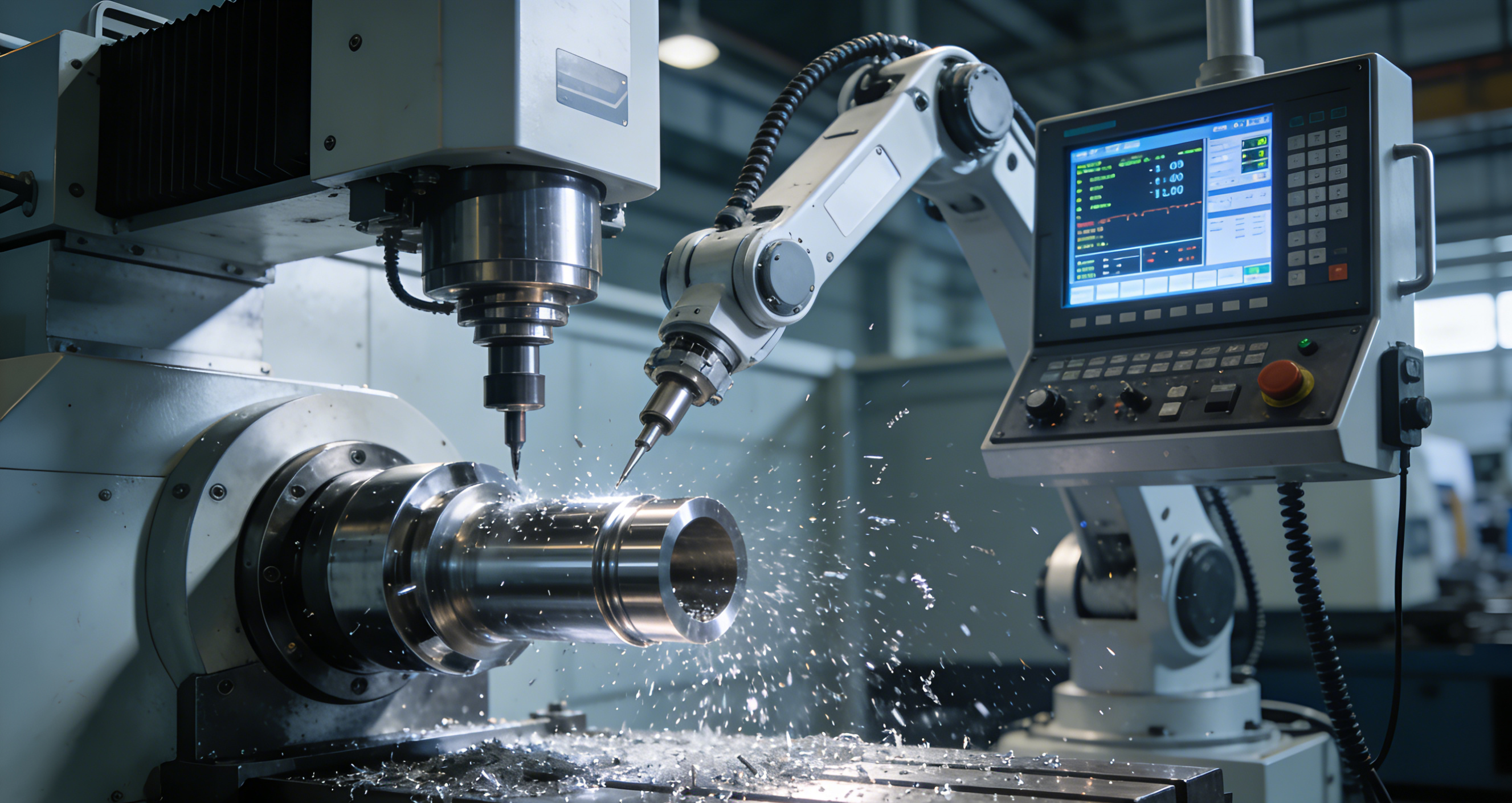
We pump targeted high-pressure coolant right at the cut zone with angled nozzles—cools even without flooding the shop. A turbine blade supplier was ditching 11% of parts from cracks on 2,500 runs; our setup dropped it to 0.9%, saved $5,900, and got them stronger assemblies that lasted longer under load.
Q2: Odd profiles or multi-step features drag quotes because of clunky tool changes—any lathe twist to make it snappier?
A: Slow swaps happen on basic lathes where every profile shift means halting to fiddle with inserts.
We roll with multi-tool carousels and quick-lock systems: flips from groove to taper in 8 seconds flat. A connector firm cut their quote times from 12 days to 5 on 3,200 custom steps—bid bolder, won more jobs, no accuracy dip.
Q3: Exotic composites chew tools like gum, spiking costs on lightweight parts. How do lathes chew back without the bill shock?
A: Composites fray edges fast if the lathe pushes too hard, burning through diamond tips.
We ease in with low-force feeds and ultrasonic vibration assists—extends tool life 3.5x on carbon fiber. An aero client trimmed tool bills 28% on 4,000 lightweight struts—lighter parts, heavier savings at $6,400 a pop.
Q4: Finish inconsistencies on tapered bores, force extra honing—wasting time and adding steps. Got a lathe play to shine directly?
A: Tapers rough up when feeds don't match the angle, leaving Ra 1.0 waves that need buffing out.
We sync variable feeds with angle sensors: polishes tapers to Ra 0.45 in one pass. A valve producer skipped honing on 5,100 bores; labor fell 20%, and fits sealed tighter from the get-go.
Q5: Prototype tweaks mid-run halt everything—how do lathes flex for changes without killing momentum?
A: Rigid lathes freeze for reprograms, losing hours on spec shifts.
We use adaptive CNC with on-the-fly editing: tweaks diameters or depths live. A robotics arm buyer handled four changes on 6,200 prototypes; momentum held, yields rose 26%, no stalled lines.
Curious how these lathe smarts can rev up your next buy?
Visit www.simituo.com for tailored insights and quotes.