






Imagine this scene: In a busy factory workshop, a precision metal part is on its manufacturing journey. It is first clamped onto a CNC lathe for turning, then removed, measured, and waited for before being re-clamped onto another CNC milling machine for milling. Each clamping brings the risk of minor errors, and each queue waiting consumes precious time. This is the efficiency bottleneck that many traditional manufacturing workshops face daily.
However, the story takes a turn here. We once had an in-depth discussion with a precision engineering partner who was anxious about the delivery cycle of a batch of complex hydraulic joint parts. These parts required high-precision internal hole turning (CNC turning) and external irregular contour milling (CNC milling). According to the traditional discrete process, the production process was lengthy. This was a typical situation where modern precision machining sought a breakthrough.
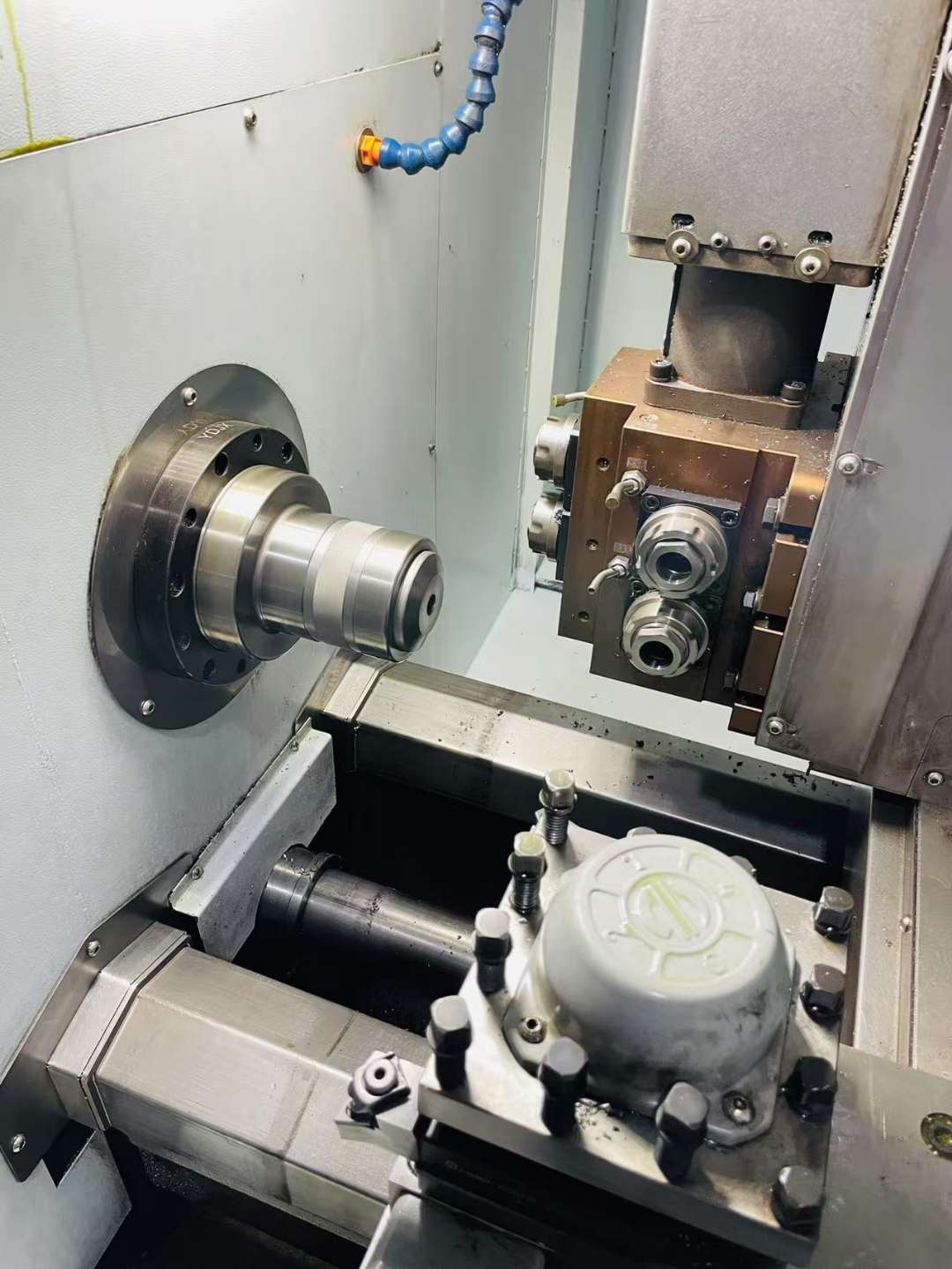
The core transformation originated from a fundamental rethinking of the manufacturing process - from "process separation" to "process integration". They introduced an advanced CNC turning and milling center. This means that once a complex metal blank is clamped, it no longer needs to be "moved" in the middle. Within the same workstation, the spindle can efficiently complete the rotary turning work and then automatically switch to the milling head for drilling, tapping, or contouring. This integration is far more than just saving handling time.
The efficiency improvement is reflected in multiple aspects. The most obvious is time compression: eliminating the logistics, queuing, and secondary clamping and alignment time of the parts between different machines, the overall manufacturing cycle is shortened by an astonishing 40%. At a deeper level, it is about precision guarantee: due to the unified reference, all key features are processed in one clamping, avoiding cumulative errors caused by repeated positioning, and the quality stability of precision machining has reached a new height. Additionally, the factory workshop layout becomes more streamlined, work-in-progress inventory is significantly reduced, and the production rhythm becomes clear and controllable.
This case reveals a broader manufacturing trend: optimizing the process itself through technological innovation. It is not just about faster machines, but about how to make CNC machining smarter and more coherent. For any manufacturing enterprise, time is the ability to respond to the market, and precision is the life of the product. Creatively integrating the two fundamental and powerful processing methods of turning and milling is precisely the key to handling modern orders that are small-batch, multi-variety, and high-demand.
Ultimately, that batch of hydraulic joints was delivered on time and of excellent quality. But the value of this story goes beyond the success of a single order. It demonstrates a mindset: in the highly competitive global manufacturing field, true efficiency improvement often comes from bold integration and innovation of existing processes. When we shift our focus from individual processing actions to the entire value stream from raw materials to finished products, technologies like CNC turning and milling integration are no longer just machines, but the cornerstone of building agile, resilient, and excellent manufacturing capabilities.