






A: Start by recognizing when a hybrid approach pays off.
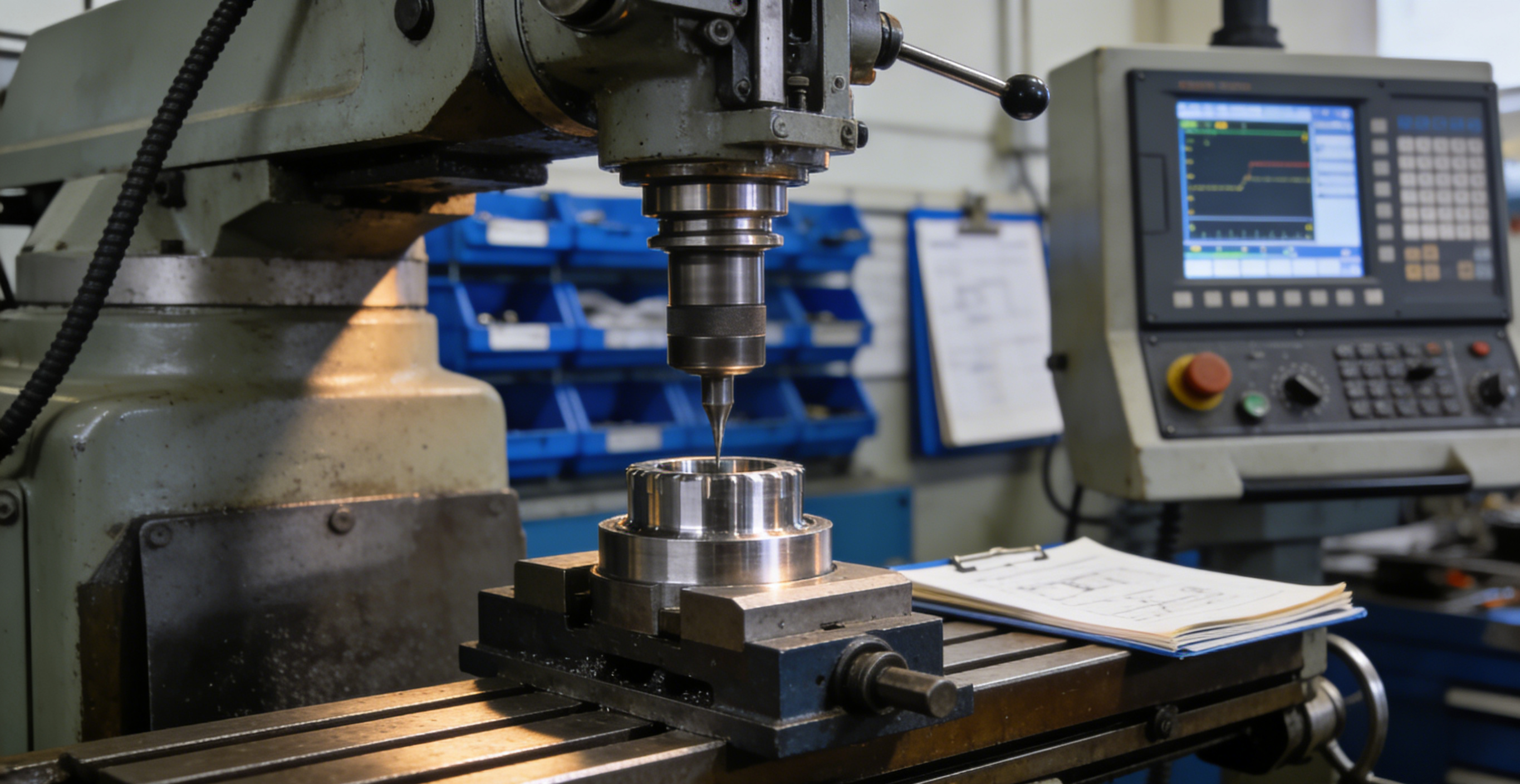
A dedicated milling setup shines for parts with multiple angles and pockets, keeping costs down by minimizing material removal errors. But for core rotational features, lathes deliver speed and consistency without excess tooling.
We advise blending: mill the bulk for efficiency, lathe the finals for polish. This saved a valve manufacturer 26% on a 6,800-piece order by avoiding redundant setups and reducing rework from misalignment.
A: Yes, when you sync the strengths.
Milling provides pinpoint accuracy on contoured surfaces with adaptive tooling, while lathes maintain uniform roundness through steady feeds.
Our integrated lines use milling for initial shaping and lathe for core refinement, holding ±0.003 mm on 5,400 aerospace fittings. This cut defect rates by 19% for a client facing stringent audits.
A: By building adaptability into the process.
Lathes allow quick adjustments for diameter tweaks, and milling handles rapid contour revisions via CAM tweaks.
We combine them in real-time: a pump designer altered specs on 3,900 housings; we pivoted milling paths without halting lathe operations, delivering two weeks early.
A: Absolutely, through smarter material use.
Milling from optimized blanks reduces scrap by 30%, and lathes add efficiency on symmetric cuts to minimize energy.
Our hybrid strategy: lathe for low-waste turning, mill for precise detailing. A solar panel supplier dropped emissions 24% on 4,700 brackets, meeting green standards at competitive pricing.
A: Look for proven integration that buffers disruptions.
With 24 lathe-mill hybrids, we switch seamlessly: milling covers custom needs, lathes handle volume spikes.
During a 2024 shortage, we supplied 7,100 connectors to an auto client by reallocating processes, maintaining 99% on-time delivery.
Transform your sourcing with processes that deliver real results.
Visit www.simituo.com for tailored consultations and quotes.