






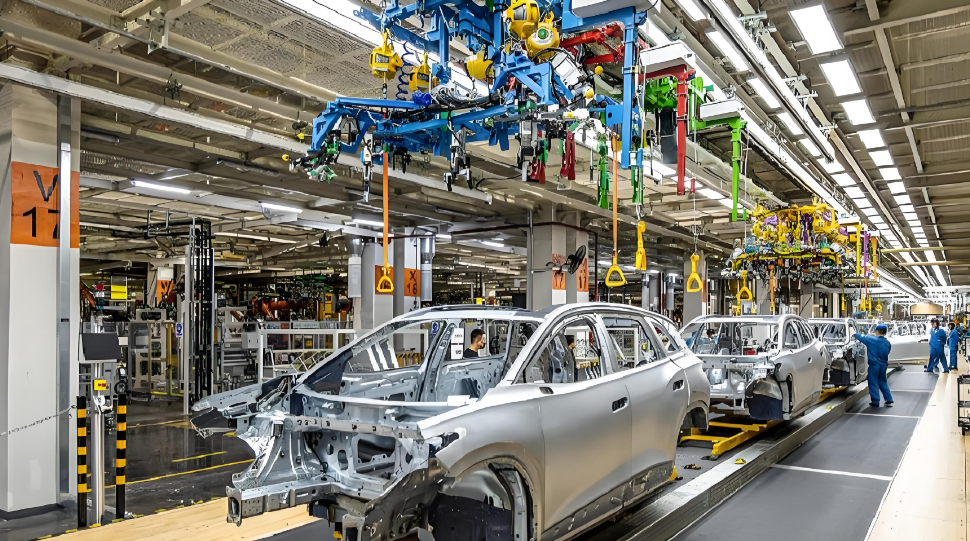
As electric current replaces fuel to become the new driving force, a revolution of precision is quietly unfolding in the core parts of new energy vehicles. Every rotation of the motor shaft, every electrical connection of the battery terminal, and every protective function of the sensor housing are redefining the future of mobility. These seemingly minor metal components are becoming the key factors that determine the performance of the entire vehicle.
The pulse of the motor originates from the main shaft that operates with extreme balance. In the high-speed world of over 15,000 revolutions per minute, even the slightest imbalance in weight distribution can trigger a chain reaction. This is where high-end CNC technology demonstrates its value—through precise five-axis processing, special steel blanks are transformed into rotating shafts with perfect dynamic balance characteristics. The entire process is like a meticulously choreographed ballet, with each cutting step following strict tolerance standards.
The energy hub of the battery system relies on those delicate connecting components. They need to achieve the maximum current-carrying cross-sectional area within limited installation space while also considering the matching of thermal expansion coefficients and vibration frequencies. Modern precision machining technology endows these parts with unique topological structures, ensuring smooth current flow while optimizing weight distribution.
The metal casing of sensors also contains profound knowledge. These protective shells must block external environmental interference while maintaining the ideal operating temperature for internal components. The aluminum alloy housing formed by CNC turning has a wall thickness variation controlled within the range of human hair diameter. This almost stringent standard ensures absolute signal purity.
The complex network of the thermal management unit is a masterpiece of industrial design. The winding and intricate cooling channels resemble the complex human vascular system, where any deviation in the angle of a bend can affect the heat exchange efficiency of the entire system. The art of machining here is reflected in the deep integration of fluid dynamics and materials science.
It is worth noting that the manufacturing process of these precision parts has transcended the traditional machining realm. It is more like an interdisciplinary field that combines materials science, mechanics, and electronics. The manual adjustments by experienced engineers and the precise execution by intelligent CNC systems together compose a harmonious technological symphony.
In this rapidly evolving field, the accumulation of experience often holds more guiding significance than theoretical knowledge. A skilled master can judge the slight wear of a tool with the naked eye, and this experience-based intuition often forms the last line of defense for product quality.
For professionals who bear the responsibility of procurement decisions, choosing a parts supplier is like selecting a technological path. We believe that truly excellent precision parts should act like loyal partners, invisible in daily operations but crucial in critical moments. These metal components, tempered through countless processes, are supporting safe travel and energy conversion with their millimeter-accurate precision.
This is not just simple metal cutting. It is a form of micro-sculpture, where every contour carries a functional mission and every surface tells a story of engineering wisdom. The next time you examine the core architecture of a new energy vehicle, pay attention to those precision-turned parts hidden deep within—they are the invisible force driving the future. For more insights into technological innovation and application examples, please visit our digital platform at www.simituo.com to explore the endless possibilities of precision manufacturing.