






A: By optimizing the flow between the lathe and milling for speed.
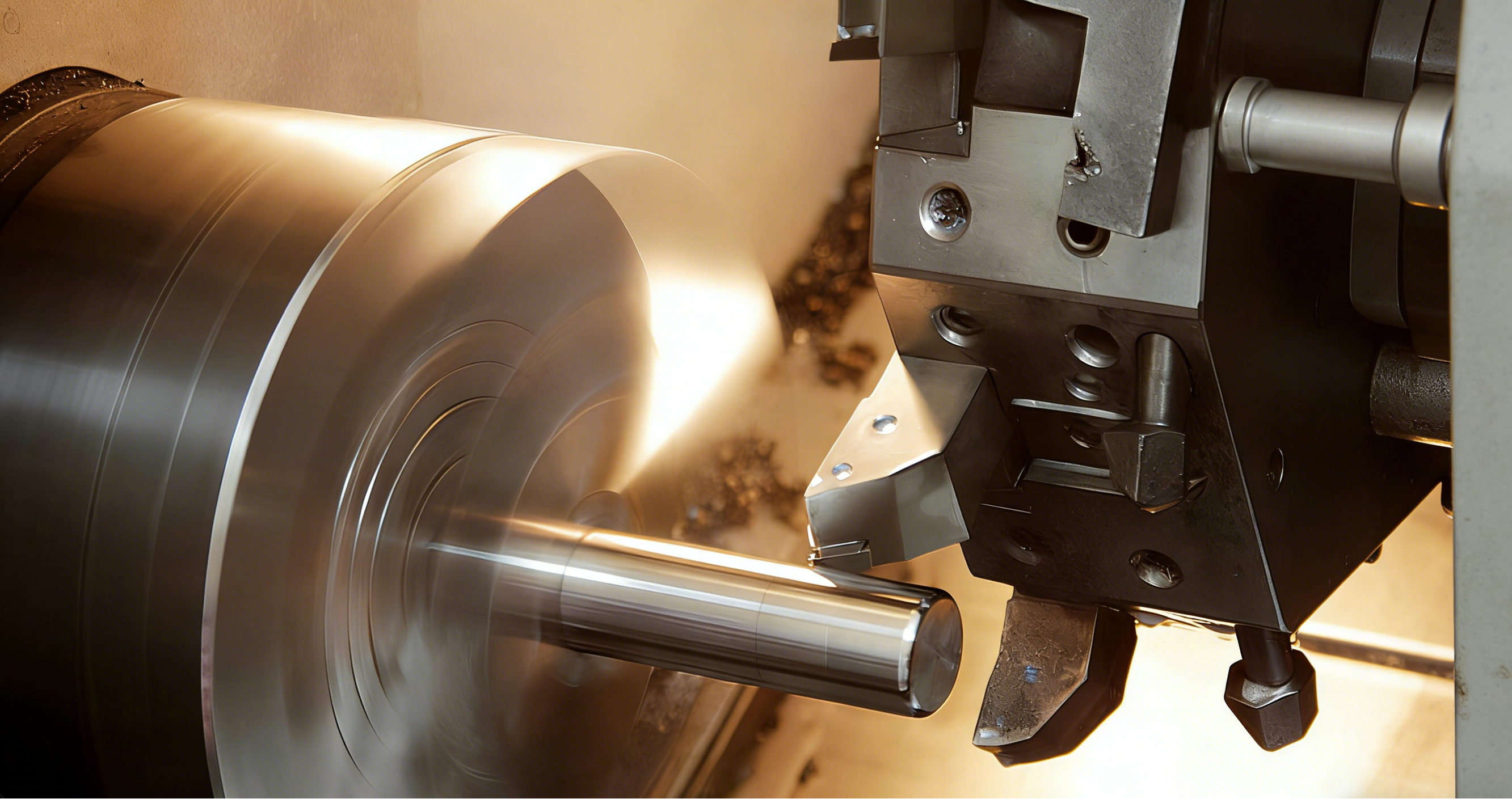
Lathes are unbeatable for quick cylindrical shaping, turning raw stock into near-final forms in minutes, but milling adds the flexibility for rapid feature additions like slots or contours.
We streamline it: lathe the base for efficiency, then mill refinements in a single transfer. This shaved 18 days off a 4,200-piece connector run for an electronics buyer, getting them to market first at standard rates.
A: Definitely, with balanced application of both processes.
Milling locks in complex geometries with high-rigidity tools for consistent strength, while lathes provide stable, vibration-free cuts for load-bearing cores.
Our tactic: mill structural elements first for uniformity, lathe the internals last. A heavy equipment client maintained ±0.004 mm on 5,100 shafts, eliminating field failures and warranty claims.
A: Check for hybrid expertise that cuts hidden costs.
Pure lathe quotes seem cheap but balloon with add-ons for milling needs; integrated setups quote accurately upfront.
We demonstrate: blending lathe speed with milling precision reduced variability by 21% on a 3,800-piece manifold order, giving a pump supplier predictable pricing.
A: Yes, by adapting to what's available.
Lathes work best with round stock alternatives, and milling accommodates irregular blanks without redesign.
We pivot seamlessly: switched to milled forgings mid-run for a 6,500-piece gear set when bar was scarce, saving a wind power client from costly delays.
A: Through intelligent lathe-mill automation that reduces human touchpoints.
Mills handle programmed complexities with sensors for auto-correction, and lathes add repeatable cycles for volume.
Our 14 automated lines delivered 99.7% defect-free on 4,900 fasteners for an automotive partner, scaling without added staff or errors.
Want processes that align with your goals?
Visit www.simituo.com for custom quotes and consultations.