






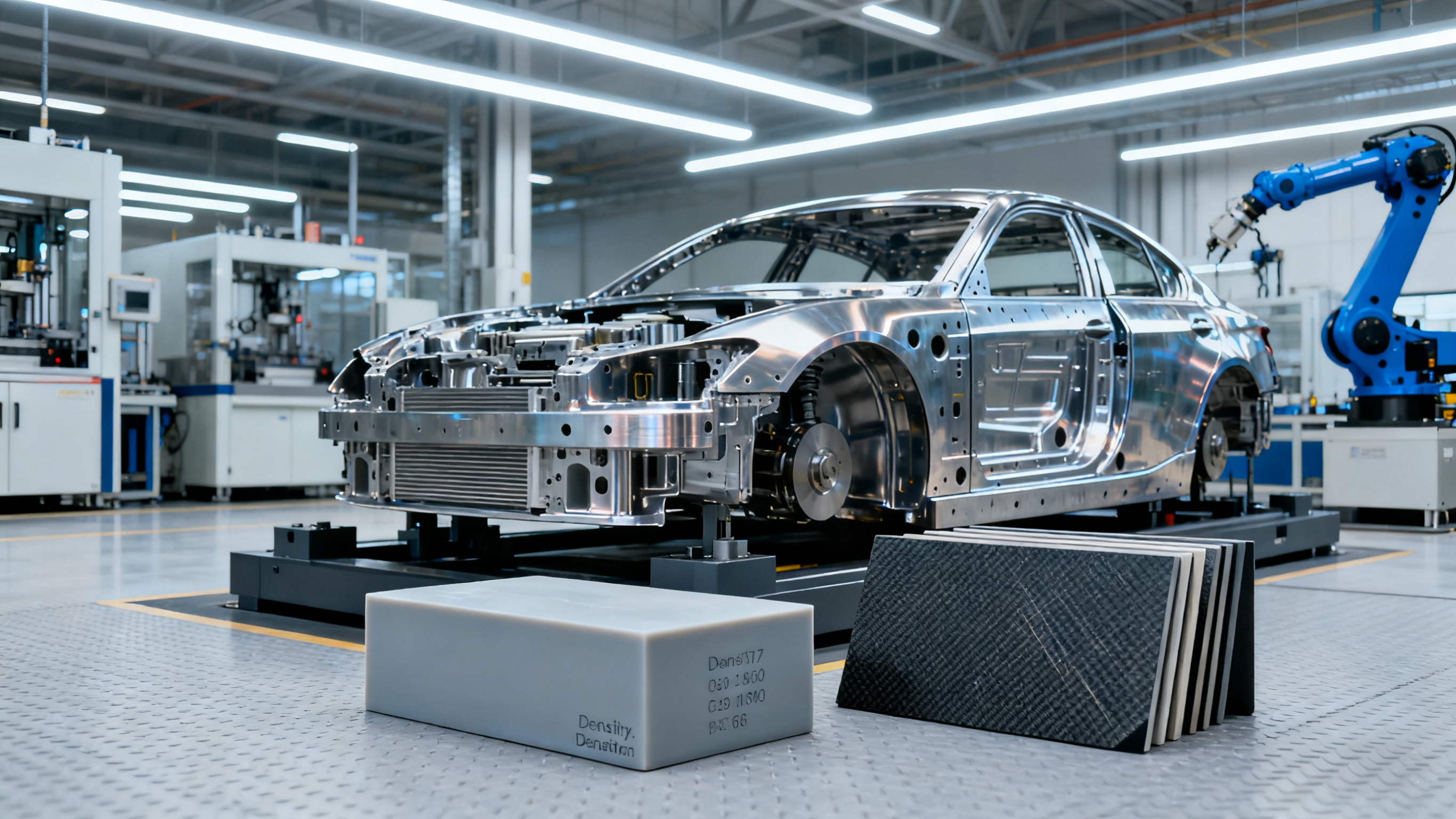
A Tier-2 supplier once handed me a bracket that weighed 180 grams in steel. The OEM wanted it to weigh under 60 grams for the next EV platform, with the same strength, half the cost, and ready for 120,000 units per year. Steel stamping was out—too heavy. Aluminum die casting quoted $60k tooling and 14 weeks. The clock was already ticking.
The Weight-vs-Strength Headache in Auto Parts
The real squeeze was meeting crash specs without adding mass. Traditional nylon cracked under side-load tests, and the wall had to stay 2.5 mm to clear the mold pin. Early glass-filled samples warped 0.8 mm after cooling, failing the clip fit. Local molders pushed for steel-core pins and longer cycles, jacking the piece price to $1.40 before shipping.
It’s the familiar auto bind: lighter means pricier resin or thicker walls, yet assembly tolerances stay brutal.
How Injection Molding Delivered the Fix
They settled on PA66 with 30% glass, ran a single-cavity aluminum tool, and dialed the pack pressure in two shifts. Parts dropped to 58 grams, warp cut to 0.15 mm with a simple cooling jig. Cycle settled at 28 seconds, piece price landed at $0.68 after the first 5,000.
What locked it in:
- Resin Pick: 30% glass gave the stiffness, no extra ribs.
- Tool Steel Swap: Aluminum mold cut lead time to 3 weeks, $9k total.
- Cooling Tweak: Water lines at 85 °C kept shrinkage even.
Strength passed the 1,200 N pull test first round, clips snapped clean, and the line hit rate without a single mold tweak after pilot. Weight savings shaved 14 kg per vehicle—enough for an extra 18 miles of range.
When It Beats Metal in Auto Runs
Glass-filled nylon or POM works when annual volume clears 50,000 and walls stay above 2 mm. Below that, CNC aluminum wins for prototypes; above 200,000, multi-cavity steel tools pay off. I’ve seen mirror bases, sensor brackets, and battery trays, all with plastic switches and clear homologation because the mold costs are split across the run.
For buyers juggling weight targets and launch dates, the math is quick: estimate yearly units, test one cavity, scale cavities later. If you’re chasing grams on the next platform, start with resin samples and a single aluminum cavity. More on this at www.simituo.com.