






Imagine this: You’re a product designer at a small tech startup in Austin. You just tweaked a component based on user feedback—need to move a locating hole 2mm to the left to fix an assembly issue. Now you need 3 new jigs in 48 hours to test the change. Wait, 48 hours? Traditional mold shops laugh at that timeline. But with CNC machining, it’s not just possible—it’s routine.
For small businesses, rapid iteration isn’t a nice-to-have—it’s survival. Your competitors are moving fast, and your ideas need to keep up. But custom jigs and fixtures? They’re often the bottleneck. Too slow, too expensive, too rigid. That’s where CNC machining steps in—like a flexible, precise partner who gets your urgency.
Let’s be honest: Small businesses don’t operate like big factories. You don’t have months to wait for tooling, or budgets for massive batches. You need small runs, fast changes, and consistent quality—every time.
Take a friend of mine who runs a precision instrument shop in Berlin. He once needed 5 custom fixtures to test a new sensor design. The first shop he called quoted 3 weeks and $10k—way too long, way too pricey. By the time the fixtures arrived, his design had already changed twice. That’s the problem with traditional manufacturing: It’s built for scale, not speed.
Non-standard customization? It should be like working with a tailor—someone who adapts to your needs, not forces you into a box. And that’s exactly what CNC machining delivers.
So how does CNC machining fix the bottleneck? Let’s break it down—no jargon, just plain talk.
Remember that Austin startup? When they sent their final 3D model to a CNC shop, the machine started cutting the same day. No waiting for mold-making, no setup delays. Why? Because CNC machining is digital—your 3D file becomes program code, which drives the machine directly.
Want a complex jig body milled from aluminum? CNC milling handles it. Need high-precision locating pins? CNC turning takes care of that. The best part? Small batches (like 3 or 5 pieces) are economical. You don’t have to order 100 to make it worth it. That’s a game-changer for small businesses.
Here’s the thing about iteration: You need to know if your design change worked. If your fixtures are inconsistent, you can’t tell if a performance shift is from your tweak or a bad part.
CNC machining solves that with precision machining. Every jig from every batch is identical—down to 0.005mm (thinner than a hair). My Berlin friend once told me: “With CNC, I can test 3 versions of a fixture and know exactly which one works. No guesswork, no rework.”
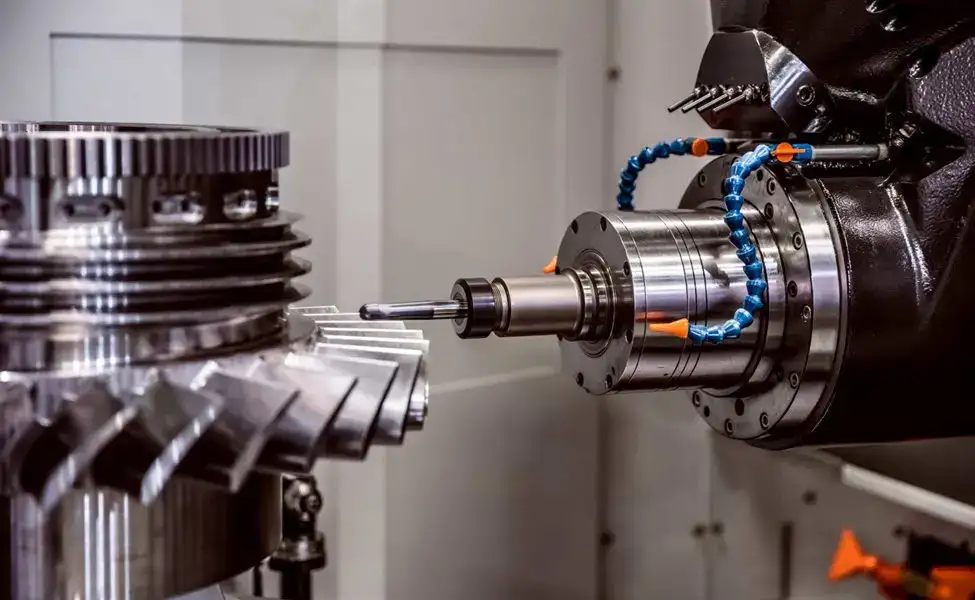
And advanced tech like 5-axis machining? It cuts complex angles in one go, so you don’t have to assemble 10 parts to get the right shape. Less assembly = less error = faster testing.
The best CNC shops don’t just “make parts”—they partner with you. They know your time is more valuable than money, so they help you optimize every step.
Take a startup I worked with last year. They designed a fixture with a rare titanium alloy—great for strength, but impossible to source quickly. Our engineer suggested switching to 6061 aluminum (easy to find, cheaper, and just as strong for their needs). Result? They got their fixtures 5 days early and saved 30% on cost. That’s the difference between a shop that “does machining” and one that “gets small businesses.”
Transparency matters too. You need to know where your order is—right now. The good shops send you updates (text, email, whatever you prefer) and let you tweak the design before machining starts. No surprises, no delays.
Next time you need a custom jig, ask these questions first:
· Can you handle small batches (1-10 pieces) fast? A shop that prioritizes small runs gets your urgency.
· Do you offer design feedback? The best shops will tell you if your design is hard to machine (and how to fix it).
· How transparent is your process? Can you track progress in real time?
· Do you understand iteration? Will they work with you if you need to change the design mid-project?
For small businesses, speed and flexibility are everything. A CNC shop that gets that? They’re not just a vendor—they’re part of your team.
Small businesses have an edge over big companies: They can move faster. But only if their tools keep up.
CNC machining isn’t just a way to make parts—it’s a way to keep your ideas moving. It lets you test, tweak, and launch faster than your competitors. And in a market where every day counts, that’s the difference between leading the pack and falling behind.
So next time you’re stuck on a custom jig? Don’t settle for “no” or “too slow.” Find a CNC shop that speaks your language—iteration. Because for small businesses, the ability to change fast isn’t just a secret weapon—it’s survival.
And hey, if you ever need a recommendation? Hit me up. I know a few shops that get it.