






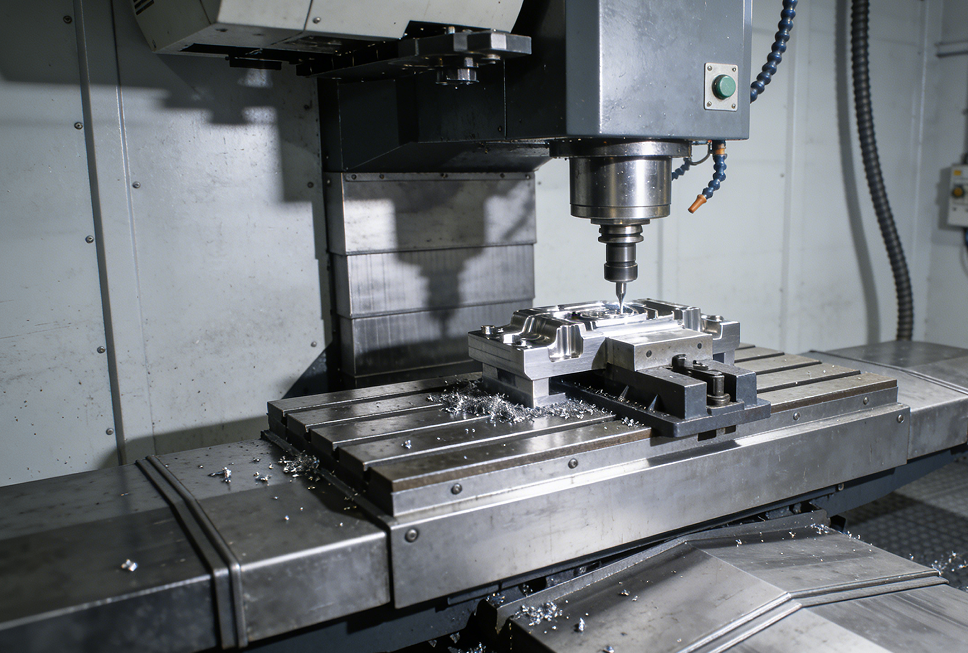
In the high-end precision component processing sector, gantry CNC technology has consistently been the core factor defining the upper limit of machining quality. We have compiled the most frequently asked questions from global procurement partners across the industry, and provided systematic answers from an objective and professional perspective, to deliver clear, actionable technical references for your precision machining procurement decisions.
Question: What is the core difference between gantry CNC and standard CNC equipment in the field of precision machining?
Answer: The core advantage of this type of equipment comes from its unique structural design. Different from standard CNC equipment, the gantry structure has superior load-bearing capacity and operational rigidity, which can maintain stable machining status during long-time continuous operation. This is the core reason it adapts to high-difficulty precision machining requirements. Standard CNC equipment is prone to structural deformation or vibration deviation when handling large-size, high-complexity workpieces, while gantry CNC evenly distributes mechanical stress during the machining process through its symmetrical gantry frame, reducing the possibility of precision loss from the equipment's foundational level and providing a stable hardware foundation for precision machining.
Question: How does gantry CNC achieve and maintain high-standard precision machining results?
Answer: The precision control of this equipment is a complete technical system, rather than the optimization of a single link. From the assembly and commissioning of the equipment itself, to parameter matching during machining, and dynamic adaptation to environmental factors, every link directly affects the final machining accuracy. The drive system and spindle unit of gantry CNC are specially optimized, which can control the operational deviation within an extremely small range while performing high-speed cutting. At the same time, with mature processing technology, it can customize the corresponding machining path and process plan according to the material, structure and precision requirements of the workpiece, avoiding precision deviation caused by improper process. In the mass production link, the structural advantage of this equipment can ensure the precision consistency of batch workpieces, without obvious precision degradation after long-time operation. This is also the key reason why high-end precision component processing gives priority to gantry CNC technology.
Question: What machining scenarios are more suitable for choosing gantry CNC processing technology?
Answer: The applicable scenarios of this type of processing technology are mainly concentrated in fields with high requirements for accuracy, size and structural complexity. Whether it is large-size equipment structural parts or high-complexity precision components, gantry CNC can achieve stable machining results with its own structural and technical advantages. For workpieces requiring multi-faceted integrated machining, this equipment can complete multi-process machining through a single setup, reducing positioning deviation caused by multiple clamping and further ensuring the final effect of precision machining. In industries with strict requirements for machining quality such as aerospace, new energy and high-end equipment manufacturing, gantry CNC technology has become the standard configuration of core machining links, and can meet the customized precision machining needs of different industries.
Question: What are the core technical points to focus on when purchasing gantry CNC processing services?
Answer: When choosing this type of processing service, the core thing to focus on is the technical implementation capability, rather than simple equipment specifications. First, it is necessary to confirm the service provider's commissioning and application capabilities for gantry CNC equipment. A mature technical team can give full play to the core advantages of the equipment and convert the equipment's precision potential into stable machining quality. Second, pay attention to the service provider's process expertise in the field of precision machining. Different workpiece materials and structures need to be matched with corresponding processing technologies. Only with sufficient project experience can the service provider cope with various complex machining needs and ensure that the machining effect of each batch of workpieces meets the requirements. Finally, pay attention to the end-to-end quality control capability, and whether there is a complete management system from raw material incoming inspection to finished product delivery to ensure the stable implementation of gantry CNC machining accuracy.
For more technical content about gantry CNC and precision machining, you can visit our official website www.simituo.com.for in-depth insights.