






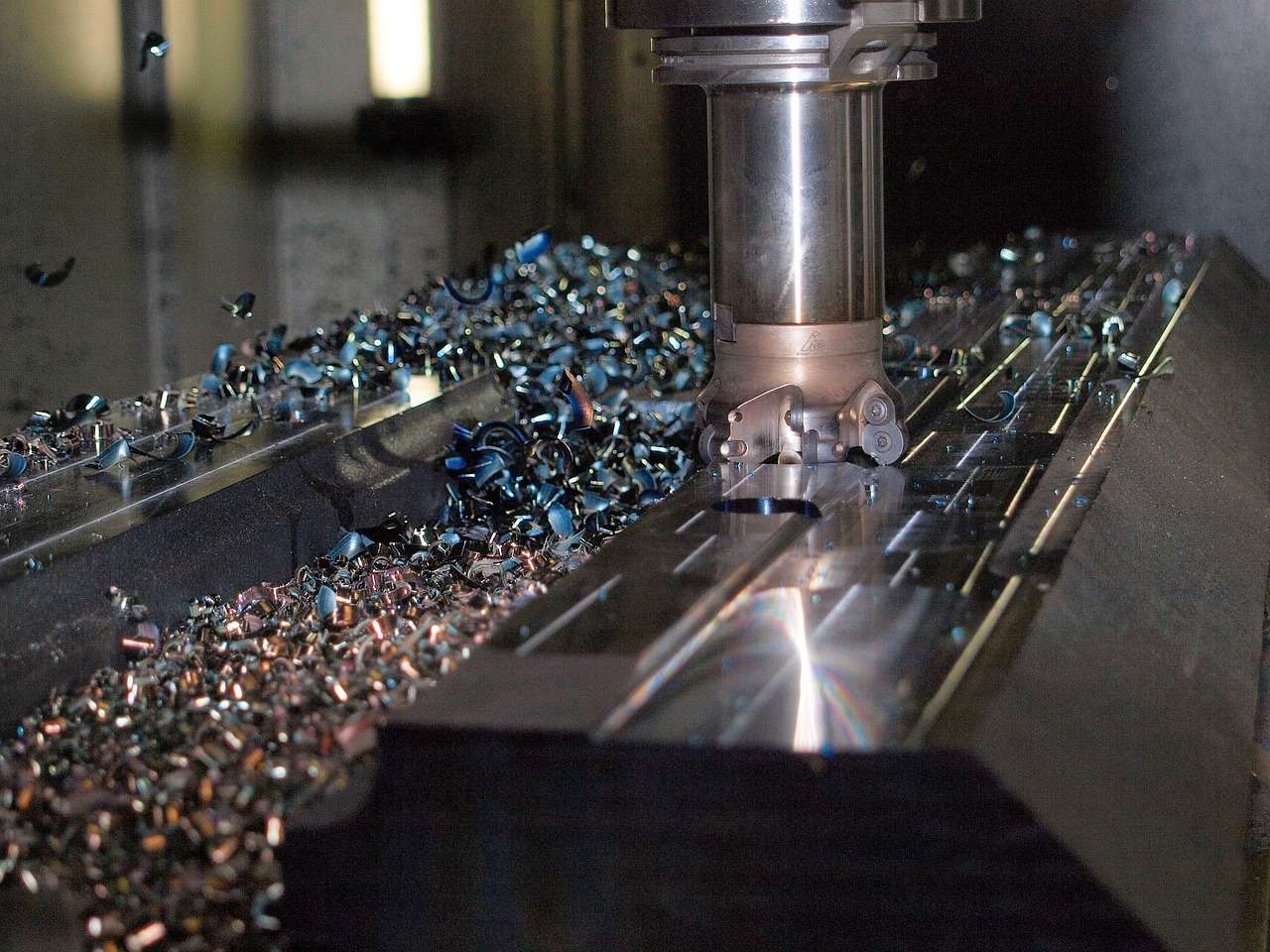
In the field of precision machining for large and complex workpieces, gantry CNC machining technology has become a key pillar of high-end manufacturing thanks to its unique advantages. Advanced CNC control systems and scientific CAM programming strategies are the core elements that unlock the efficiency and precision potential of gantry machining, directly determining the quality of workpiece processing and production efficiency. To help industry practitioners and procurement decision makers gain a deeper understanding of relevant technical points, the following Q&A format, combined with practical machining scenarios, breaks down the core issues of gantry CNC machining.
Question: What are the core characteristics of advanced CNC control systems suitable for machining large and complex workpieces?
Answer: Advanced CNC control systems designed for large and complex workpiece machining focus primarily on precision and stability, which are crucial for ensuring workpiece quality in gantry machining. These control systems boast high efficiency computing capabilities, enabling them to process machining instructions for large and complex workpieces quickly and avoid precision deviations caused by instruction delays. At the same time, they feature comprehensive multi-axis coordinated control, which can accurately synchronize the movement of each axis of the gantry machine tool, ensuring the continuity of trajectories when machining complex curved surfaces and deep cavities. Additionally, advanced CNC control systems are equipped with a full closed-loop feedback mechanism that can real-time monitor minor deviations during the machining process and make dynamic compensations promptly, effectively offsetting the impact of mechanical deformation and environmental factors, and maintaining consistent precision during long-term continuous machining, thus providing reliable support for the precision machining of large and complex workpieces.
Question: Why does the CAM programming strategy affect the efficiency and precision potential of equipment in gantry machining?
Answer: The efficiency and precision potential of gantry machine tools depend not only on the equipment itself and the CNC control system but also on scientific CAM programming strategies for guidance and optimization. The CAM programming strategy serves as a key link between the control system and the gantry machine tool, converting machining requirements into precise machine movement instructions that directly determine the rationality and efficiency of the machining process. High-quality CAM programming strategies can optimize cutting paths and parameters according to the structural characteristics of the gantry machine tool and workpiece requirements, avoiding invalid movements, reducing machining time, minimizing tool wear, and improving machining precision, thereby giving full play to the performance of the gantry machine tool and preventing the waste of equipment potential.
Question: How exactly does the high-speed machining strategy improve efficiency and precision in gantry machining?
Answer: The high-speed machining strategy is an important part of CAM programming strategies adapted to gantry machining, with its core being the realization of stable and efficient cutting through reasonable planning of cutting speed and feed rate. When machining large and complex workpieces with gantry machines, the high-speed machining strategy can maintain a continuous cutting state of the tool, avoiding frequent starts, stops, and direction changes, reducing impact and vibration between the tool and the workpiece, thereby reducing precision loss and improving the surface quality of the workpiece. At the same time, reasonable high- speed cutting parameters can shorten the processing time of a single process, significantly improving the efficiency of gantry machining while ensuring machining precision, balancing production capacity and quality.
Question: What role do residual material machining and tool path optimization play in gantry CNC machining?
Answer: Residual material machining and tool path optimization are indispensable components of CAM programming strategies, playing a vital role in improving the precision and efficiency of gantry CNC machining. Residual material machining can accurately identify residual materials in hard-to-machine areas such as corners and deep grooves during the machining process, intelligently plan supplementary machining paths, completely remove residual allowances, avoid secondary machining and manual trimming, and ensure the consistency of the overall precision of the workpiece. Tool path optimization mainly focuses on reducing empty travel, smoothing trajectory turns, and reasonably planning cutting sequences to make the movement of the gantry machine tool more smooth. This not only shortens non-machining time and improves machining efficiency but also reduces tool wear and further ensures the stability of machining precision.
Question: What are the key significances of the coordination between CNC control systems and CAM programming strategies in gantry machining?
Answer: The in-depth coordination between CNC control systems and CAM programming strategies is the core of exerting the advantages of gantry machining and ensuring the processing quality of large and complex workpieces. The CNC control system provides stable precision support and instruction execution capabilities for machining, while the CAM programming strategy provides scientific and reasonable machining instructions for the control system, and the two complement each other. Only by achieving efficient coordination between the two can the advantages of the gantry machine tool be fully exerted, ensuring both the machining precision and consistency of large and complex workpieces, and maximizing machining efficiency to meet the strict requirements for precision components in the high-end manufacturing field.
To learn more about gantry CNC machining technology details, you can visit our official website at www.simituo.com. Whether it is the in-depth application of gantry machining technology or the optimal adaptation of CNC control systems and CAM programming strategies, we have always focused on high-end precision machining needs, providing reliable technical support and solutions for the machining of various large and complex workpieces, and helping the industry achieve high-quality development.